

The Menu: 6 films about understanding behaviour and systems
Movies can be as good as books and podcasts, I promise
Everyone loves a marketing reading list. They, equally and inevitably, like a marketing podcast listen list. But what about a marketing movie watch list?
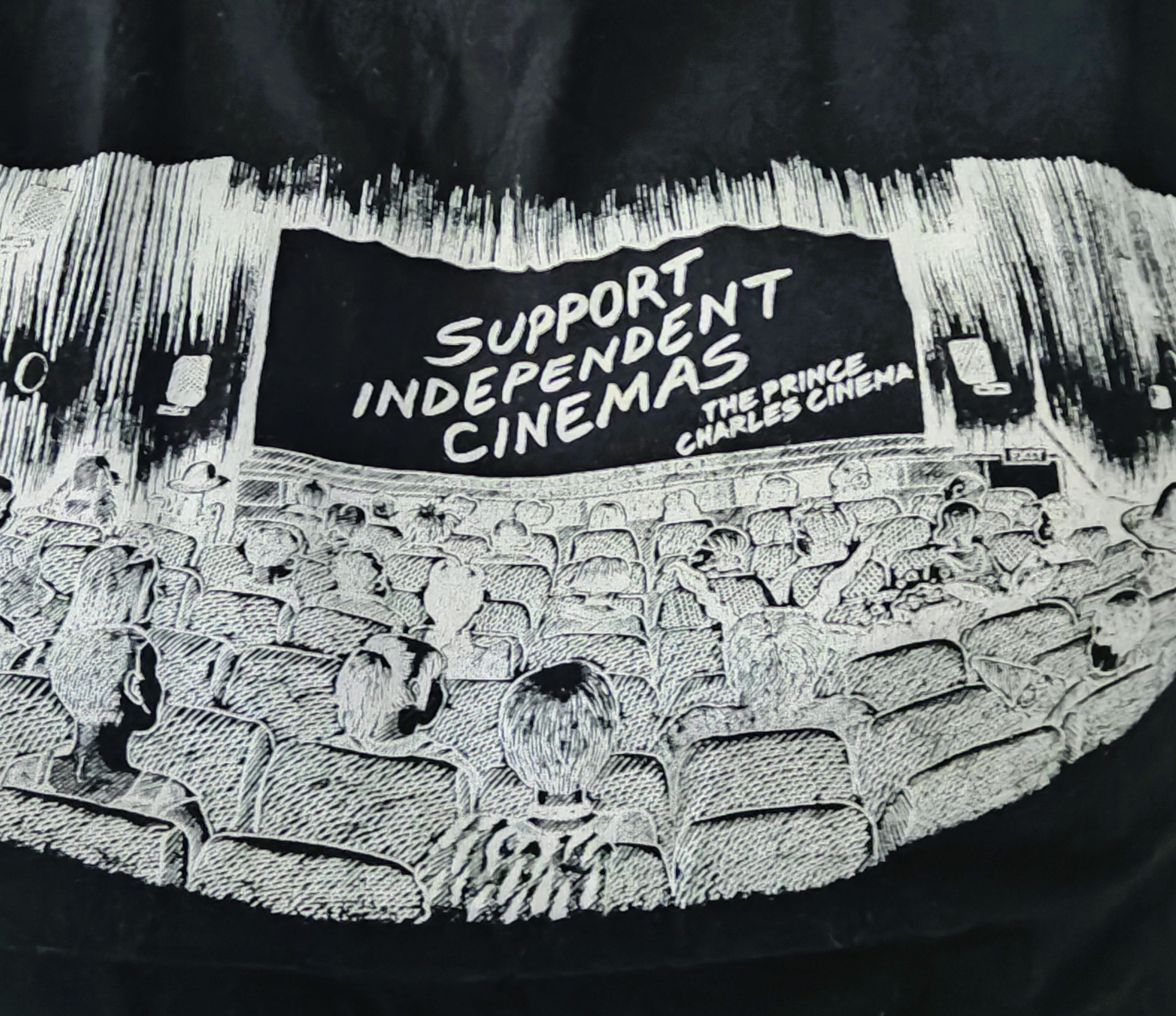
I’m going to be horribly honest with you, I am a cinema person. And not just as in watching movies, but also going to interesting and historical cinemas. Get out there and try them, people.
(And also visit the Cinema Museum in London)
My favourite films (rather predictably) tend to examine behaviour, persuasion, decision-making, and their impact. And for your enjoyment, I have selected 6 (an arbitrarily chosen number, but they are some of my favourites).
All to be enjoyed with a mixture of sweet and savoury popcorn, as has been written (by me).
1. Moneyball
Baseball. Data. Brad Pitt looking tired and exasperated in a parked car. IS THAT NOT ENOUGH?
Moneyball is about ignoring conventional wisdom and finding a different way to do things that might allow you to compete with limited resources. Mostly. But also the ramifications of decisions we make early in our lives, and how nobody can really predict if those decisions will lead to the best outcomes.
You just have to look at your priorities and make the best call you can, Brad. Sorry, Billy.
Based on the book Moneyball: The Art of Winning an Unfair Game by Michael Lewis, the film does a great job of turning the subject into a film with rounded characters, stakes, and some nice cinematography.
And yeah, the impact of the Moneyball method has perhaps been overstated. The advantage was temporary until everyone else caught up. And, as always, success or failure isn’t monocausal.
But Benedict Miller knows how to make a film.
2. The Big Short
Less of a success as a film, as it ended up more as a series of vignettes from a few different stories stuck together. And with a cheeky amount of fourth-wall breaking. I appreciate Adam McKay, but he’s no Benedict Miller.
The story of the investors who made money from the 2008 financial crisis, by betting against the previously solidly viewed housing market. Each arrives at the realisation in different ways: first, by being exposed to the data, then by verifying whether the predicted bubble actually exists.
Characters largely signal what they’re like through their hair, and it has an early performance by Jeremy Strong, already giving intense overtones (”I’m the eldest boy!”).
Another cautionary tale about looking deeper for data and signals that point to something most people have missed.
And another film based on a Michael Lewis book. That guy. AMIRIGHT?
3. Whiplash
I saw a trailer for Whiplash and immediately thought, “Someone has made a film for me, how nice.”
On the surface, a film about a bullying music teacher and his victim, a drummer trying to be the best he can (jazz? Pffft). And it is about that. But it’s really about exploring whether it’s okay to push someone so hard that it becomes abusive, IF that’s what it takes to make the person exceptional at something. And would that someone (in hindsight) be okay with making that trade-off?
My favourite part is that it doesn’t draw a conclusion. It leaves you to decide in a frenzy of drumming and sweat.
Director Damien Chazelle went on to be far more famous for La La Land, but this is a better, more interesting film.
4. Thank You for Smoking
Your job as a marketer is to help grow the company you work for by increasing awareness and driving more sales of your product or service. Basically. Now, imagine that product killed a lot of people.
Aaron Eckhart plays a tobacco industry lobbyist who has to advocate for exactly that. He hangs out with a firearm lobbyist and an alcohol lobbyist who meet for lunch every week and call themselves the “Merchants of Death” or “The MOD Squad”.
It’s dark and funny. And teaches you about the realities of advocacy and the reality of persuasion, no matter what you’re selling.
Based on a 1994 novel by Christopher Buckley, writer and director Jason Reitman (son of Ivan) has gone on to make a slate of films with more mixed success. But his debut is sharp and with a point to make.
5. The Founder
The story of how a company becomes a success is not something that immediately suggests it will make a rip-roaring trip to the cinema. But as with the other films on this list, there is more going on than meets the eye in The Founder.
Michael Keaton plays Ray Kroc, who built the empire of McDonald’s. But the keen-eyed will spot that his name is not McDonald. In fact, he forced the founding brothers out before taking the company to new heights. The title is laced with irony - it’s his tale, and it was his drive for success, but he was not the founder.
Really, it’s a tale of capitalism and the complexities behind great ideas and success. And a cautionary tale about how people with great ideas aren’t always the ones who benefit from them.
6. I, Daniel Blake
My wife loves a Ken Loach movie. I enjoy the grittiness, but sometimes feel they lose some punch by showing their subjects contributing to their dire situation through poor decision-making. They have agency, and misuse it.
That is not the case, however, with I, Daniel Blake. The protagonist has had a heart attack, and his doctor has told him not to work. But the bureaucratic machine won’t allow him to claim benefits and tells him he must go and find a job.
It shows a man living in modern Britain, caught in a trap he can’t escape, like something from the Victorian era. And when he finds help that may let him get out… Well. Watch and find out.
One of Loach’s most successful films, it won the Palme d’Or in 2016.
The cautionary tale? When you build a process or system, think carefully about your intentions and the outcomes you aim to achieve. And what the impact will be on people who have to go through it.
What makes a good film?
Well, if I knew that…
The best films tell stories with well-fleshed-out characters making decisions and facing the consequences. And they’re pretty to look at with a dose of magical realism (ideally).
They teach us about how the world runs on relationships, systems, incentives, and noise. And on how we constantly miss important things, as we’re only a bunch of squishy humans.
Just a bunch of squishy humans, sitting in a cinema with art deco features, enjoying a bucket of popcorn and a weak soda.